When you think of a gift hamper, you probably picture a basket overflowing with gourmet treats, a splash of Aussie sunshine, and a little note that says “Enjoy!” But what if that note doesn’t include a crucial piece of information: the allergen content? In today’s world of food sensitivities, a missing allergen label can be the difference between a delighted recipient and a cringe‑inducing “oops.” This guide will walk you through the ins and outs of Australian gift hampers that lack allergen information, helping you make a safe, thoughtful choice.
The Anatomy of an Australian Gift Hamper
What Makes a Hamper “Australian”
- Local sourcing: Products are grown, produced, or crafted within Australia’s borders. Cultural flair: Think Tim Tams, Vegemite, and Macadamia nuts – the quintessential Aussie taste. Packaging style: Often rustic wooden boxes or vibrant kraft paper, giving a down‑under vibe.
Typical Contents
- Sweet treats (chocolate, biscuits) Savory snacks (chips, nuts) Beverages (wine, craft beer, tea) Small gifts (spoons, mugs, or a quirky souvenir)
Why the “No Allergen Information” Tag Matters
When a hamper lists “no allergen information,” it means the supplier hasn’t provided a clear breakdown of potential allergens. That’s a red flag for anyone with dietary restrictions, whether it’s nuts, dairy, gluten, or shellfish. Without that data, you’re essentially playing a guessing game— and that’s not a game you want to win.
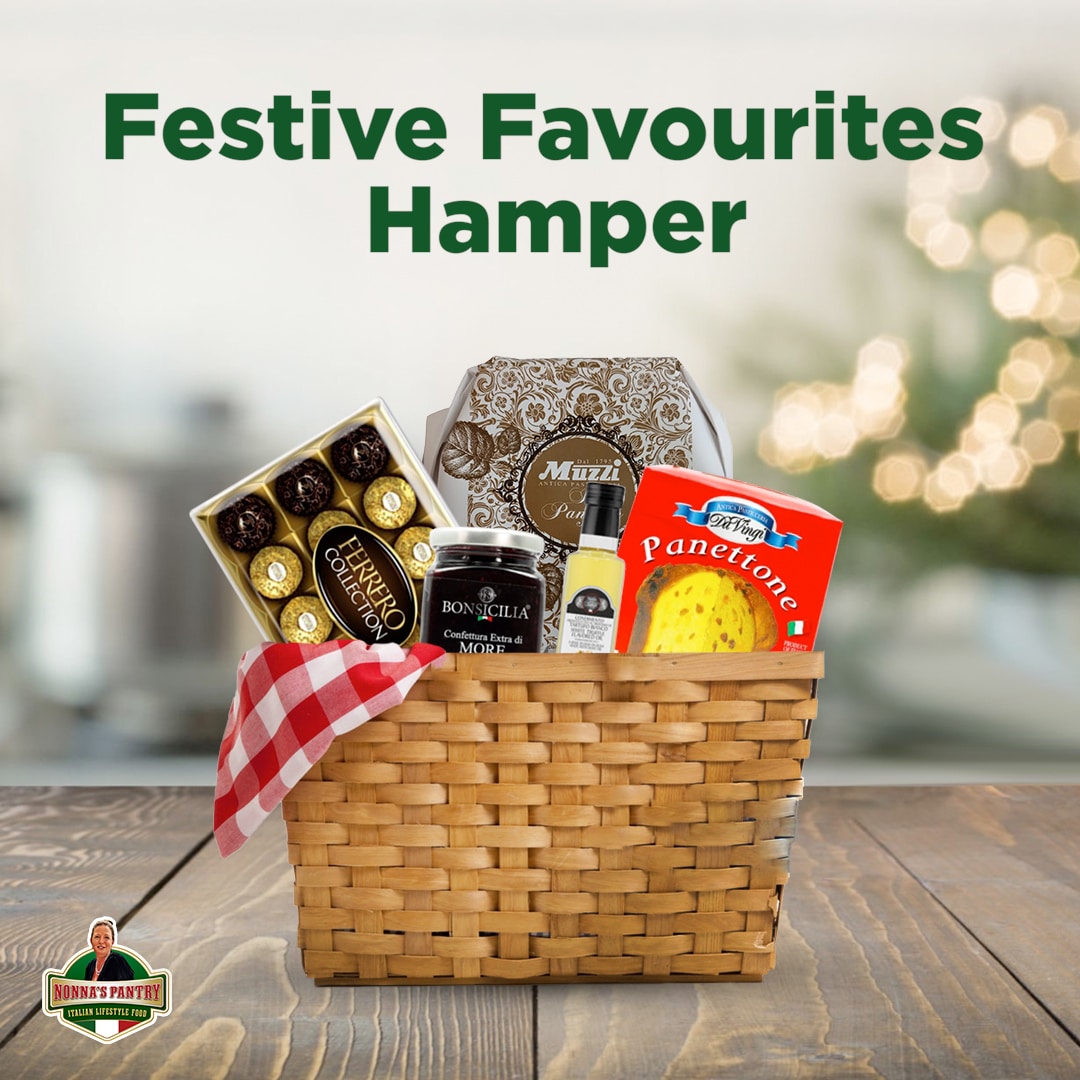
Are You Ready to Take the Risk?
You might wonder, “Isn’t it common for gift hampers to be generic?” While many hampers are generic, the lack of allergen data is not. The Australian Food Standards Act requires clear labeling for packaged foods. If a hamper’s contents are mixed or sourced from multiple suppliers, the label may be missing or incomplete. The result? A potential allergen hazard.
A Little Anecdote
Last Christmas, my friend received a “premium” Aussie hamper from a boutique retailer. Inside were honeycomb biscuits, a jar of golden honey, and a bottle of sparkling wine. She, a known bee‑allergic person, was thrilled—until she tried the honeycomb. One bite, and she had to sprint to the bathroom. The hamper had no allergen info, and the honey had trace bee pollen. A simple check could have saved her a sticky situation.
How to Spot a Safe Hamper
Look for the “Allergen Statement”
- Mandatory: All packaged foods must list the top eight allergens: wheat, milk, eggs, peanuts, tree nuts, soy, fish, and shellfish. Clear labeling: The statement should be legible and placed on the front or side of the packaging.
Check the Supplier’s Credentials
- Reputable brands: Established Australian brands often provide detailed ingredient lists. Transparency: A supplier that openly shares sourcing practices is more likely to include allergen data.
Read the Fine Print
- Product descriptions: Some online retailers list allergens in the product description even if the packaging doesn’t. Customer reviews: Feedback can reveal whether the hamper’s contents were allergen‑free or not.
Choosing a Hamper Without Allergen Information
If you find yourself with a hamper that doesn’t list allergens, consider these strategies:
1. Contact the Seller Directly
- Ask for details: Most retailers will provide ingredient lists upon request. Request a sample: If possible, ask for a single item to verify safety.
2. Opt for All‑Natural or Organic Hampers
- Fewer additives: Organic products often have stricter labeling requirements. Clearer sourcing: Organic certification usually includes allergen disclosure.
3. Pick Single‑Ingredient Items
- Simplicity: Items like plain dried fruit or plain nuts reduce complexity. Control: You can choose or avoid specific allergens yourself.
4. Build Your Own Hamper
- Customise: Select each item based on known allergen profiles. Personal touch: A DIY hamper shows extra care and attention.
When Allergies Are the Main Concern
The “Allergy‑Friendly” Checklist
- Wheat‑free: Look for gluten‑free certifications. Nut‑free: Avoid any nuts or nut‑derived oils. Dairy‑free: Check for milk or lactose content. Soy‑free: Look for soy‑free labels or avoid processed foods with soy.
Rhetorical Question
*Do you want your gift to be a “wow” moment or a “what happened?” moment?* The answer is clear: choose a hamper that respects dietary needs.
Light‑Hearted Humor to Keep the Mood Bright
Sometimes, a joke can lighten the weight of food allergies. Remember this: Why did the tomato blush? Because it saw the salad dressing! Even in the seriousness of allergen safety, a smile can go a long way.
A Quote to Remember
> “Safety is not a gadget; it is a way of life.” – Unknown
This reminds us that safety, especially regarding food, is a mindset, not a checklist.
The Bottom Line
When shopping for an Australian gift hamper that may lack allergen information, you’re not just buying a box of treats—you’re buying peace of mind. By asking the right questions, checking supplier credibility, and possibly customizing the contents, you can ensure your gift is both delightful and safe.
The Perfect Gift Awaits
Choosing the right hamper is like picking the perfect pair of shoes: it should fit, feel comfortable, and make you look good. Whether you go for Australian gift hampers for her a pre‑made hamper with clear allergen labeling, or you hand‑pick each item to suit your recipient’s needs, the key is to respect their dietary restrictions. Remember, a thoughtful gift is one that brings joy without worry.

If you’re ready to give a gift that’s as safe as it is spectacular, start by checking the allergen information—or better yet, ask for it. Your recipient will thank you for the extra care, and you’ll enjoy the satisfaction of giving a gift that truly “fits” their lifestyle.